


“If you don’t like what’s being said, change the conversation.”
Most social licence arguments are decided by who gets to be the wronged party. This is exactly what we saw in New South Wales a decade ago with the lockout law and greyhound ban issues. One of those policies made it into law, the other got shot down by its opposers flipping the social licence script.
To understand how they did that we can look to the 2016 Presidential election for the blueprint.
At that time the aggrieved stakeholder group in this kind of argument was a community marginalised by skin colour, ethnicity, sexuality or gender, from a progressive viewpoint. Trump flipped it, confirming to his white, non-college voter base that they were in fact the victims of a progressive society that had gone too far.
Most importantly he did it in the flyover states that mattered electorally. Working-class white voters in Pennsylvania, Ohio, Michigan and Wisconsin went for Romney by 12 points in 2012 and for Trump by 30 in 2016.
Back to NSW in 2014. Following a spate of tragic alcohol fuelled ‘one-punch’ killings, the NSW government proposed a raft of legislation changes that would restrict licensing in the Kings Cross and CBD districts, the heart of Sydney’s night life.
Alcohol, along with road safety, collision sports and greyhound racing, is an example of a ‘harm balance’ issue. There is a harm intrinsic to them, the question is what balance society will accept.
For some stakeholders, that will be zero. Those voices will have a natural moral high ground advantage, amplified further by the right context. With this issue it was inner city ER surgeons promoting the incontrovertible fact that with no alcohol there would be fewer injuries or deaths.
Aligned to that is a second problem for the harm balance defenders, finding them. Who are the convincing representatives of the stakeholder groups to stand against the high-ground, in this case those wanting to stay out drinking past 1.30am?
The laws were passed inside a month. When general polling support (popular licence) was finally measured, at its peak in early 2016, it sat at two thirds of the population.
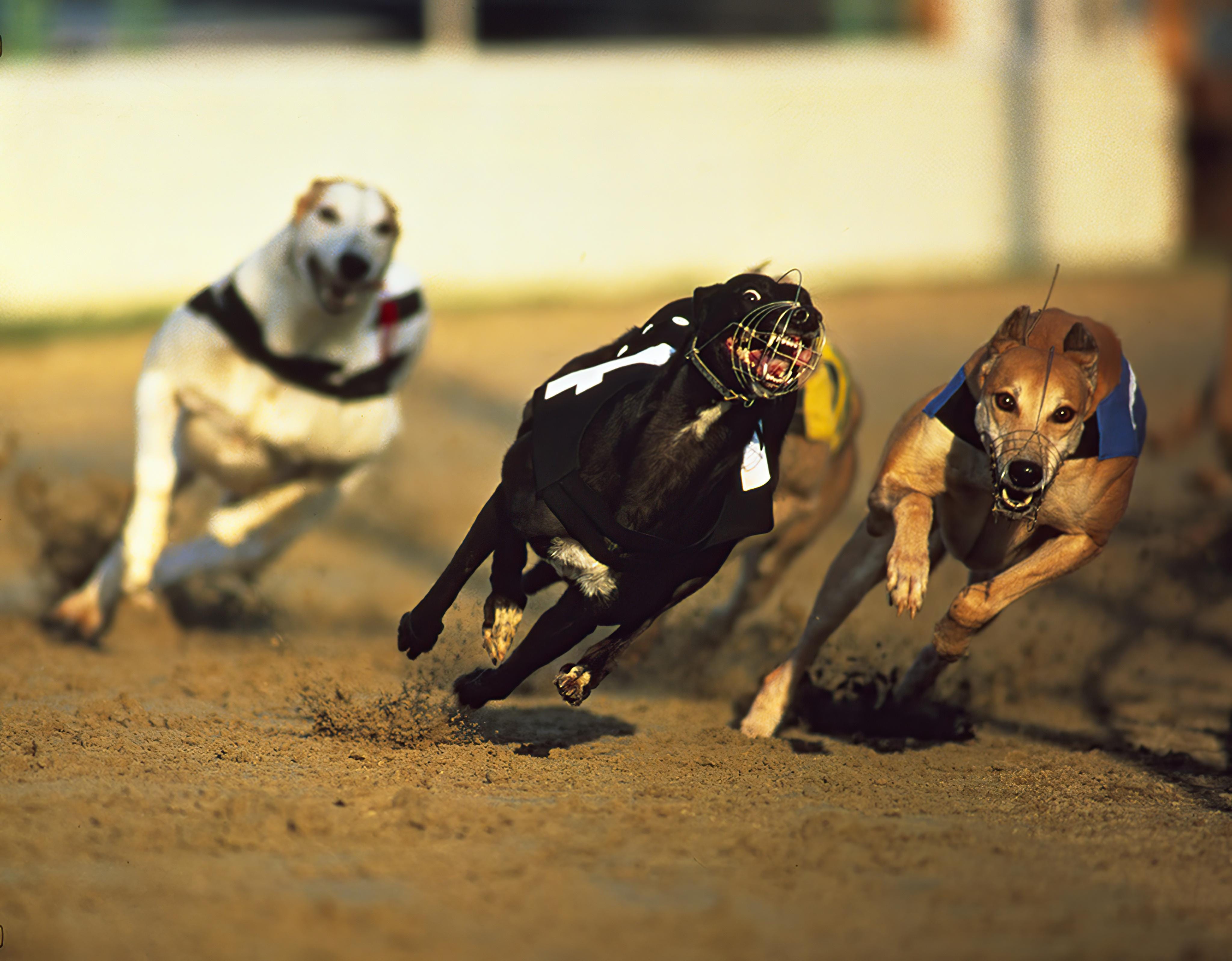
In 2016 the same NSW government, with the Premier’s approval at a record 61 per cent, looked to ban greyhound racing on the back of a Special Commission of Inquiry led by former High Court judge Michael McHugh, detailing mass systematic animal cruelty.
The greyhound ban had roughly the same level of public support as the lockout laws - around two thirds - also holding popular licence.
But it did not pass.
In a move akin to Trump’s that same year, those defending the industry managed to flip the issue from being one of animal cruelty, to being another example of contemptuous disregard for regional people. The industry stopped defending its treatment of animals and started defending the dignity of the people who worked in it. It changed who the wronged party was.
As with Trump, translating that into regional politics created decisive leverage. Three Nationals crossed the floor, and coalition-held seats were suddenly in play. NSW Premier Mike Baird’s approval fell from 61 to 39 per cent in about ten weeks and the ban was gone in three months, with public support for it still intact. Baird resigned three months after that.
Don Draper had it right. If you don’t like what’s being said, change the conversation.
Matt Rowley is Partner at General Strategic, an advisory firm working across communications, politics, strategy, and AI